How Proper Attic Ventilation Helps Prevent Moisture Problems, Ice Dams and Premature Roof Aging in Iowa
Quick Answer
Proper roof ventilation helps control heat and moisture in your attic, which can help protect your roof and extend the life of your asphalt shingles. A well-designed attic ventilation system uses intake vents, typically located at or near the soffits, together with exhaust vents near the peak of the roof. This continuous airflow helps release excess summer heat and winter moisture.
For homeowners in Ankeny and Central Iowa, proper attic ventilation is especially important because our homes experience hot, humid summers followed by freezing winter temperatures. But simply adding more vents isn’t necessarily the answer. Roof ventilation needs the right balance of intake and exhaust, along with proper attic insulation, to work effectively.
At JB Roofing, we believe a roof inspection should look at the entire roofing system—not just the shingles.
What Is Roof Ventilation?
When most homeowners look at their roof, the shingles are naturally what they notice first.
But what’s happening underneath the roof can be just as important to its long-term performance.
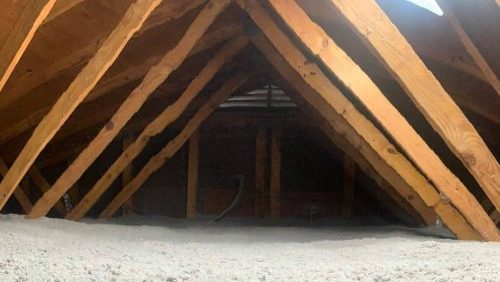
Roof ventilation is designed to create airflow through the attic. In a properly designed system, cooler outside air enters through intake ventilation, usually located along the soffits or lower portion of the roof. As warmer air rises, exhaust ventilation near the roof’s peak allows warm, moist air to escape.
Think of it as a continuous cycle:
Fresh air enters low. Warm, moist air exits high.
When those two components are properly balanced, the ventilation system can help manage attic temperature and moisture throughout the year.
Why Is Attic Ventilation Important in an Iowa Summer?
Anyone who has been in an attic during an Iowa summer knows how hot that space can become.
Sunlight heats the roofing materials throughout the day, and some of that heat transfers into the attic. Without adequate ventilation, excessive heat can accumulate.
Proper attic ventilation helps release some of that hot air instead of allowing it to remain trapped beneath the roof.
Why does that matter?
Excessive attic heat can put additional stress on roofing materials over time. Combined with years of sun exposure and Iowa weather, that heat can contribute to premature aging of asphalt shingles and other roofing components.
Proper roof ventilation can also work with attic insulation to reduce unwanted heat transfer between the attic and the living space below.
Ventilation helps manage the attic environment. Insulation helps slow heat transfer between the attic and your home.
You need both doing their jobs.
Why Does Roof Ventilation Matter in Winter?
Roof ventilation isn’t just a summer issue.
During a Central Iowa winter, moisture can become an even bigger concern.
Everyday activities inside a home—cooking, showering, laundry and simply living in the house—produce moisture. Some warm, moisture-containing indoor air can make its way into the attic through air leaks.
When that warm air reaches cold surfaces inside the attic, condensation can form.
Over time, excessive attic moisture may contribute to problems such as:
- Damp insulation
- Mold or mildew growth
- Moisture on roof decking
- Wood deterioration
- Reduced insulation performance
- Premature deterioration of roofing components
A properly functioning attic ventilation system helps move excess heat and moisture out of the attic rather than allowing it to remain trapped.
Can Attic Ventilation Help Prevent Ice Dams?
Proper attic ventilation can also be part of reducing the conditions that contribute to ice dams.
Ice dams can develop when heat escaping into the attic warms portions of the roof enough to melt snow. That water runs toward the colder roof edge, where it can refreeze.
As this cycle continues, ice can build up along the eaves. Water from additional melting snow may then back up behind the ice.
Proper insulation, air sealing and attic ventilation all play roles in keeping roof temperatures more consistent.
That’s an important distinction:
Ventilation alone isn’t a cure for ice dams.
If a home has inadequate insulation or significant air leakage from the living space into the attic, adding roof vents alone may not solve the underlying problem.
Intake vs. Exhaust Ventilation: Why You Need Both
One of the most important things homeowners should understand about roof ventilation is that more vents don’t automatically mean better ventilation.
The system needs balance.
Intake Ventilation
Intake vents allow outside air to enter the attic. They’re commonly located in or near the soffits along the lower edges of the roof.
For intake ventilation to work correctly, those openings need to remain unobstructed.
For example, attic insulation that blocks soffit ventilation can interfere with airflow even though vents are technically present.
Exhaust Ventilation
Exhaust vents allow warm, moisture-containing air to leave the attic.
Depending on the home’s roof design, this may include ridge vents or other exhaust ventilation installed near the upper portion of the roof.
Why Balance Matters
Exhaust vents need an adequate source of intake air.
Adding exhaust ventilation without enough intake—or adding vents in the wrong combination—may not improve attic airflow and can potentially interfere with how the ventilation system was designed to work.
That’s why JB Roofing doesn’t approach roof ventilation by simply asking:
“How many vents are on the roof?”
The better questions are:
Where is the air coming in? Where is it going out? And is the entire system working together properly?
Attic Insulation and Ventilation Work Together
Insulation and ventilation are sometimes treated as completely separate issues, but they work together to help manage the attic environment.
Insulation helps slow heat transfer between your home’s conditioned living space and the attic.
Ventilation helps move excess heat and moisture out of the attic.
You can have plenty of insulation but still have ventilation problems.
Likewise, you can have roof vents but still experience problems if insulation is inadequate, soffit vents are blocked or excessive warm air is leaking into the attic.
When diagnosing roofing problems, looking at only one component can mean missing the bigger picture.
Can Poor Attic Ventilation Shorten the Life of a Roof?
It can contribute to premature roof deterioration.
Asphalt shingles are designed to withstand significant exposure to sun, wind, rain, snow and temperature changes. But what’s happening underneath those shingles also matters.
Excessive attic heat and moisture can place additional stress on roofing materials and the roof structure over time.
That doesn’t mean every aging roof is the result of poor ventilation. Shingle quality, installation, storm damage, roof design, maintenance and age all affect roof performance.
But ventilation is one of the components that should be evaluated when determining why a roof is experiencing problems—especially if the roof appears to be aging sooner than expected.
Your Roof Is More Than Shingles
This is one of the reasons JB Roofing believes a roofing inspection should involve more than walking around and looking at the shingles.
Your roofing system includes:
- Shingles
- Roof decking
- Underlayment
- Flashing
- Intake ventilation
- Exhaust ventilation
- Soffit and fascia
- Gutters
- Attic insulation
- The attic environment itself
If a homeowner is experiencing leaks, excessive moisture, ice dams or premature shingle deterioration, replacing the shingles without considering the underlying cause may leave an important problem unresolved.
A new roof should be more than new shingles. It should be a roofing system designed to work together.
Signs Your Attic Ventilation May Need a Closer Look
Homeowners don’t need to become roofing experts, but there are some signs that may warrant a professional inspection:
- An attic that becomes extremely hot during summer
- Visible moisture or condensation in the attic
- Damp or deteriorating roof decking
- Musty odors or signs of mold
- Recurring ice dams
- Uneven snow melting on the roof
- Shingles that appear to be deteriorating prematurely
- Blocked soffit vents
- Questions about whether an older roof has adequate intake and exhaust ventilation
These symptoms don’t automatically mean the ventilation system is the problem. They are simply reasons to take a closer look at the entire roofing and attic system.
Have Questions About Your Roof Ventilation?
If you’re concerned about your roof ventilation, attic ventilation or the overall condition of your roof, JB Roofing can help.
We inspect the entire roofing system and explain what we find. Sometimes a homeowner needs a repair. Sometimes a roof replacement makes more sense. And sometimes the shingles aren’t the real problem at all.
Our goal is to identify what’s happening and give you an honest recommendation based on what your home actually needs.
JB Roofing has been serving Central Iowa for more than 20 years, with more than 50 years of combined experience on our team.
From roof repairs and roof replacements to ventilation and other exterior needs, we’re here to help homeowners throughout Ankeny, Iowa and Central Iowa protect their homes for the long term.
JB Roofing
Ankeny, Iowa
Serving The Great Des Moines Metro
Frequently Asked Questions

About the Author
As a lifelong Ankeny resident and owner of JB Roofing, Joe Burkhart understands how stressful it can be for homeowners after a hailstorm. He believes that just because a roof has been through a storm doesn’t necessarily mean it needs to be replaced or that an insurance claim should be filed. Joe and his team take the time to thoroughly inspect each roof, identify actual storm damage and explain their findings to homeowners. Whether the roof needs a few repairs, a complete replacement or no work at all, Joe’s priority is helping homeowners throughout the Greater Des Moines Metro make informed decisions about their roofs and understand when contacting their insurance company may be appropriate.