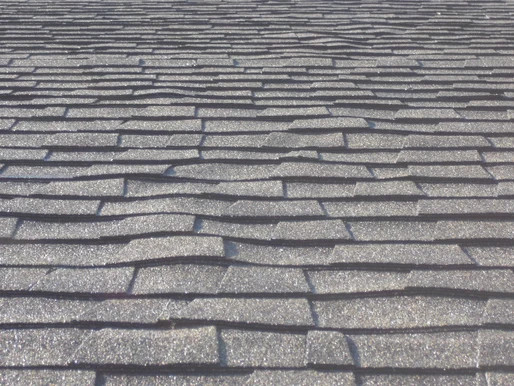
Here’s the scenario: it’s a normal winter day, typical of Iowa Winters, in the heart of Iowa. It hasn’t snowed for a while, and those blessed and random 40-degree winter days have long since melted off any snow from your roof…but the last few days have just been plain cold. You wake up to water stains on the ceiling of your upper-level bedroom and instantly think roof leak?! But the culprit here isn’t your roof. It’s something many of us don’t even consider until this happens to us: condensation.
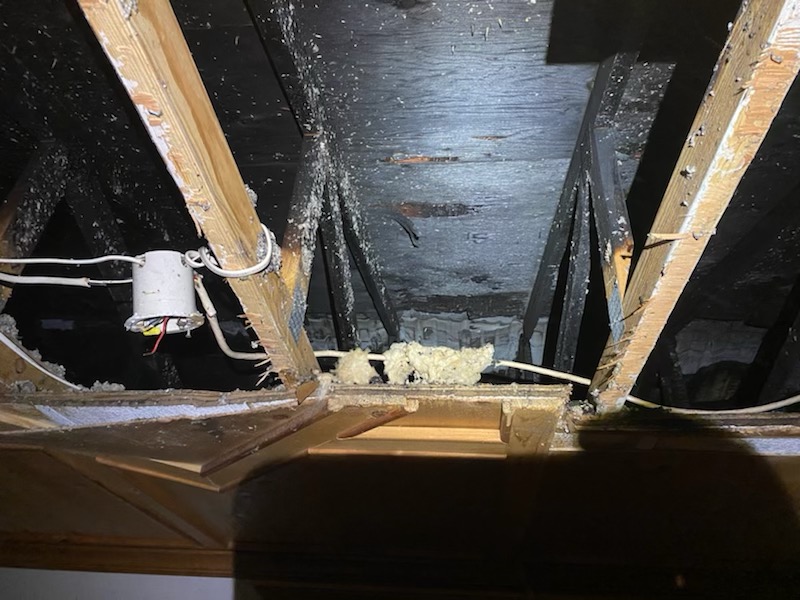
Many of us that have endured multiple Iowa winters know the drill. The temperature may fluctuate, but in general, it’s a season for lip balm, lotion on the knuckles, and humidifiers. What we don’t realize though is, even without extra humidifiers running, the general humidity in our house, or a humidifier that runs with the furnace, can cause moisture build-up in the attic. This moisture build-up freezes overnight during the extra cold temperatures and presents itself as frost on the underside of the roof deck. Throughout the day, either the rise in outside temperatures or the cycle of heat from the home then causes this frost to melt. This cycle of condensation eventually makes its way through the layers of insulation in your attic into the drywall, at which point it’s actually made visible and known to you, the homeowner.
What makes this worse? On top of additional humidifiers being run, improper bathroom ventilation can also make this problem worse. If your bathroom fan vents directly into your attic, the steam from showers (coincidentally run extra warm during the winter months) gets deposited directly into your attic and becomes part of the frost/condensation cycle. Bathroom fans should be properly vented through the roof.
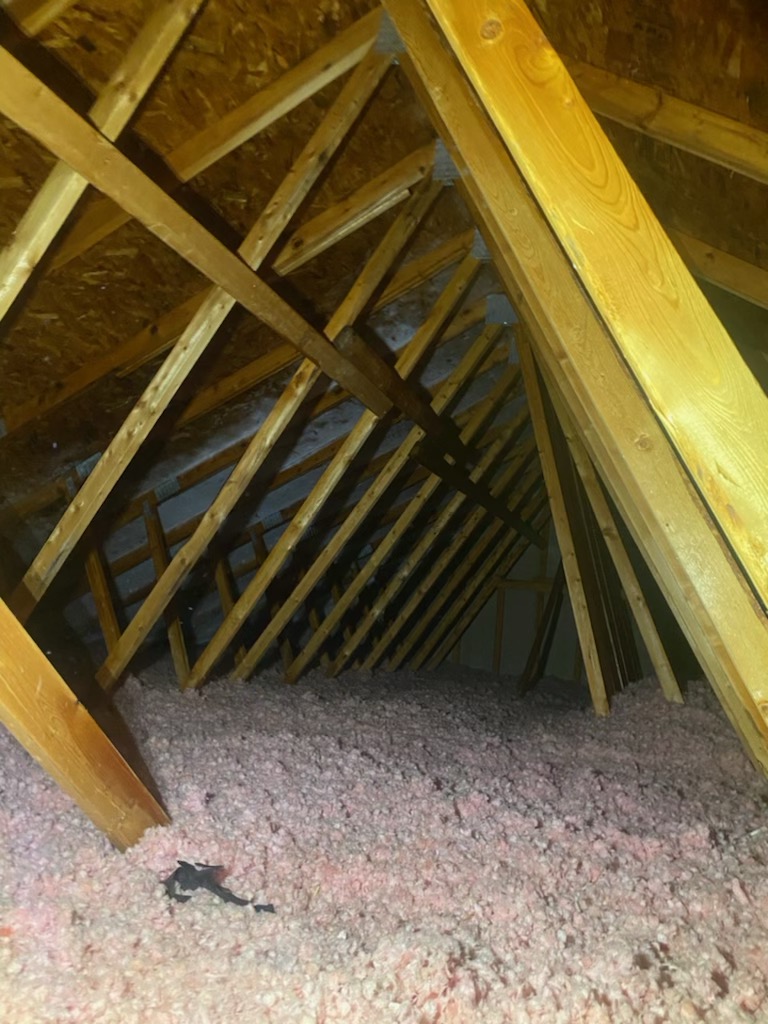 What can you do to prevent this? On especially cold days where the temperature is going to be below 20 degrees, pop your head inside of your attic to see if there is frost on the underside of your roof decking. A little frost is normal. A lot of frost is an indication of a potential problem. Also in your attic, look in the general direction of your bathroom fans. If there isn’t an insulated tube attached to them and heading through the roof, you’ll need to have those properly vented as well. If they are vented through soffit…heat rises. Once winter temperatures start getting consistently colder, start lowering the humidity setting on your furnace. This will help prevent frost and condensation in the attic.
 What if you’re unsure? No problem at all! Give JB Roofing & Gutters a call for a free estimate and we can help check these items out for you!

About the Author
Joe Burkhart is the owner of JB Roofing and a lifelong Ankeny resident who has spent years helping homeowners throughout Ankeny and the Des Moines metro with siding, roofing and exterior needs. Joe believes good siding work starts with understanding how the entire siding system is designed to move, drain and protect the home—not simply covering every crack or gap with caulk. His approach is to repair siding when practical, replace it when necessary, and help homeowners understand what their home actually needs.